Silver vs Gold Sommelier Pins: Which Color for Your Level
In professional wine service, subtle signals matter. The color of your sommelier pin—silver or gold—can communicate your role without a word being spoken.
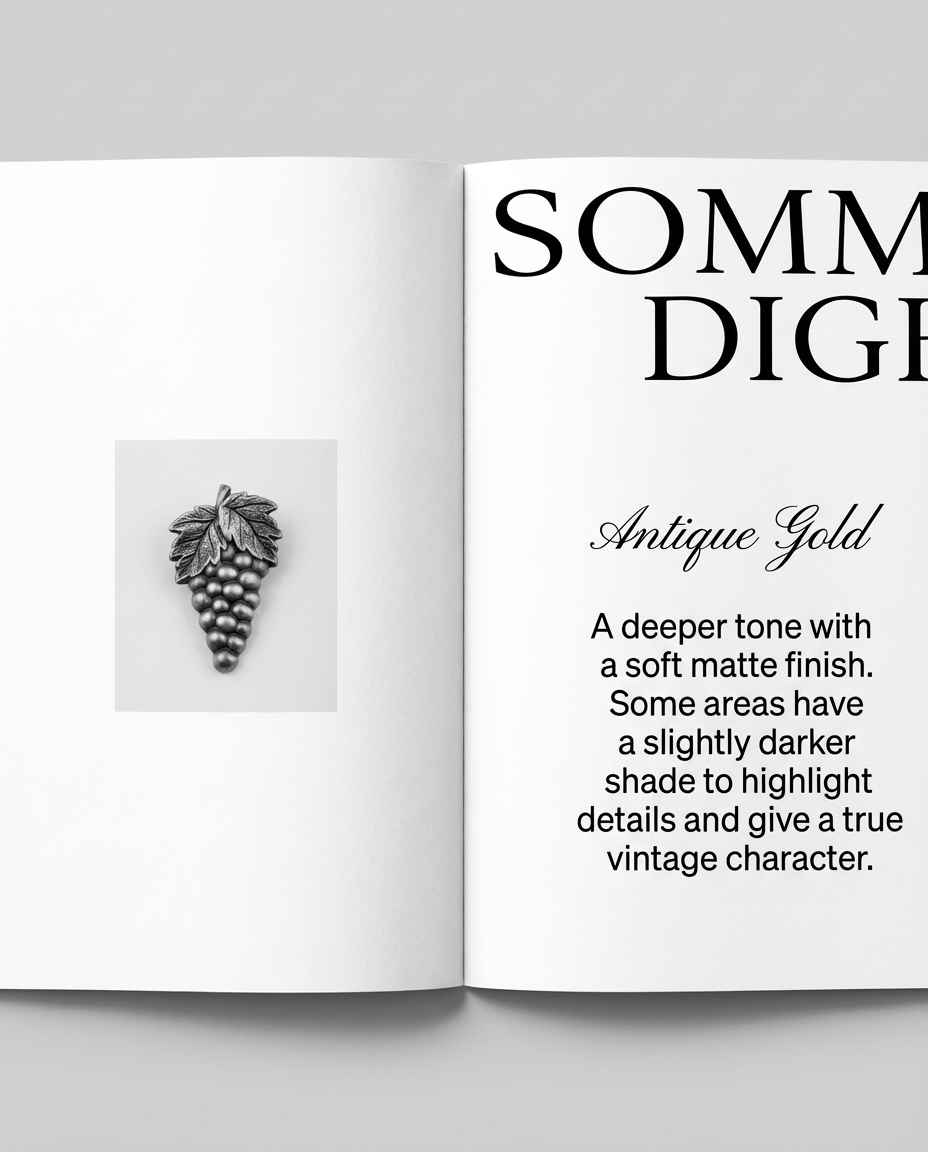
Silver sommelier pins: For junior and senior sommeliers
The antique silver sommelier pin carries a quiet elegance. It speaks of someone learning the craft, building knowledge, earning trust through service. Junior sommeliers and senior sommeliers often choose silver—it signals professionalism without claiming the final word.
Silver works beautifully against dark uniforms. It catches light without demanding attention. The matte, antique finish develops character over time, aging alongside the sommelier's own growth.
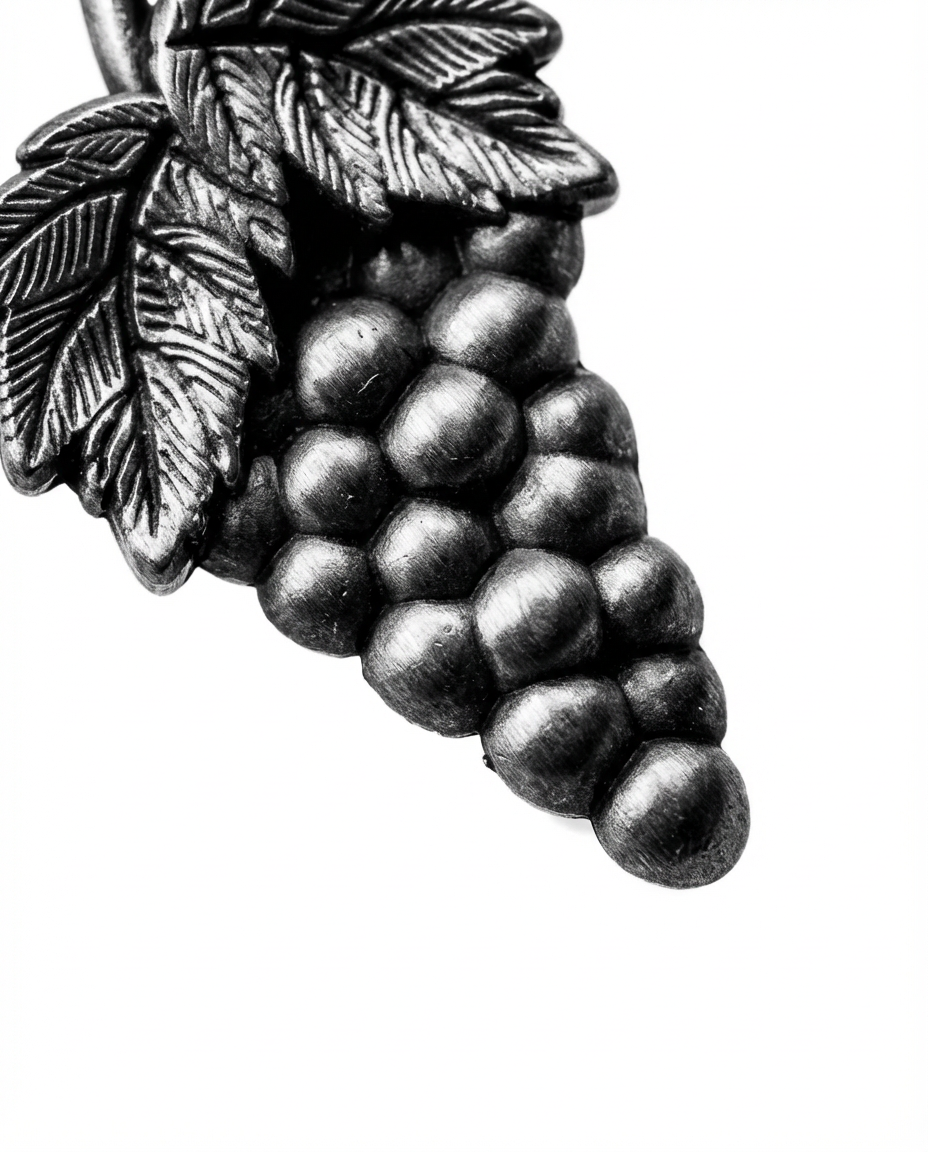
Gold sommelier pins: For head sommeliers and wine directors
The antique gold sommelier pin suggests seniority. It's worn by those who have earned their position through years of service—head sommeliers, wine directors, beverage managers who oversee entire programs.
This isn't about ego. It's about legibility. When a guest or staff member sees an antique gold grape on a lapel, they understand: this person leads the wine program. Questions about allocation, by-the-glass selections, or special requests go here.
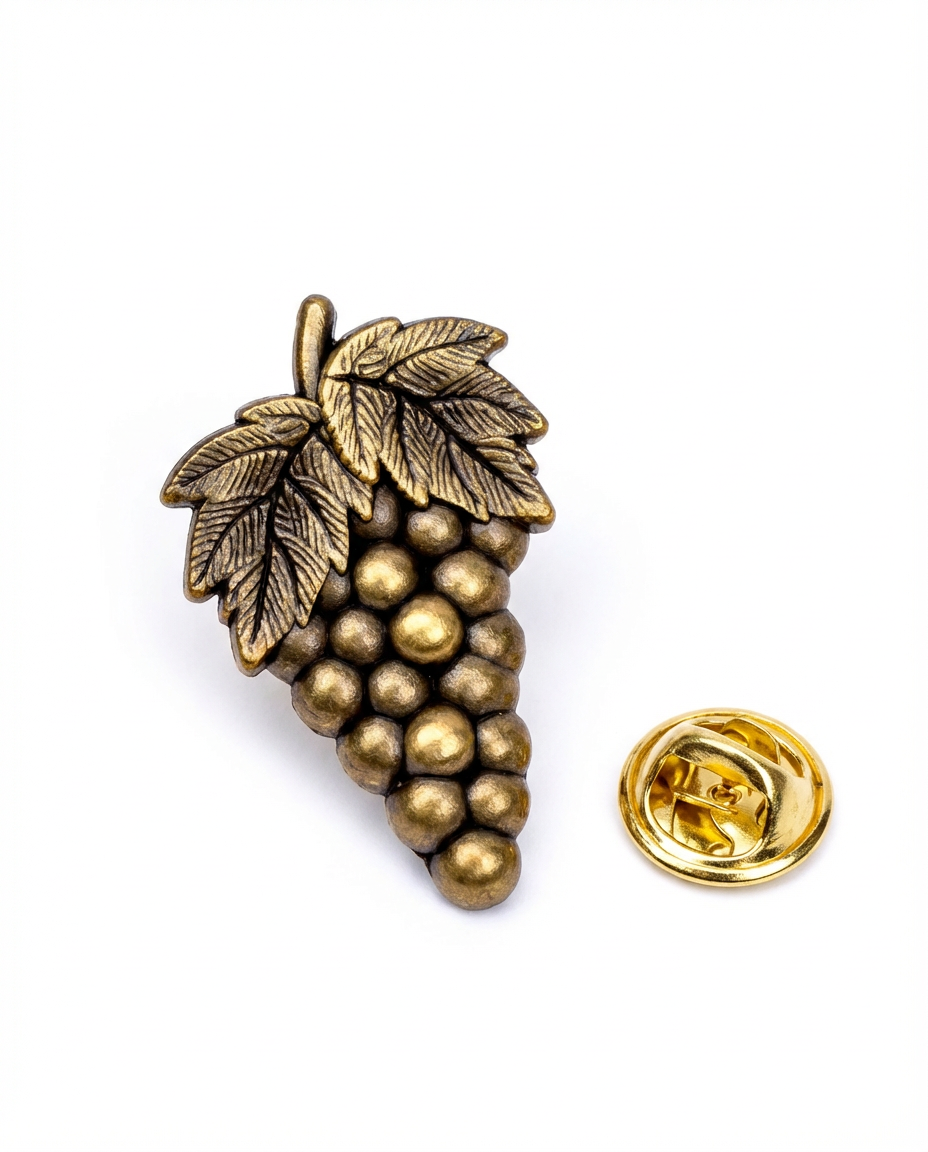
The hierarchy is gentle, not rigid
This silver-gold distinction is a suggestion, not a rule. Some wine directors prefer silver for its subtlety. Some junior sommeliers receive gold pins as gifts and wear them proudly. The culture of sommelier pins has never been about strict codes.
What matters is intention. Choosing your pin color thoughtfully—understanding what it might communicate—is itself a mark of professionalism.
Building a sommelier pin collection
Many wine professionals own both. Silver for daily service. Gold for special occasions or after a promotion. The SOMM DIGI velvet box set includes both colors for exactly this reason—a complete collection for a complete career.