Sommelier Pin vs Badge: What Is the Difference?
The words are often used interchangeably, but a sommelier pin and a sommelier badge are different objects doing different jobs.
The distinction is simple: a badge is issued to you. A pin is chosen by you.
What a badge does
A badge is institutional. A name badge identifies staff to guests. A certification badge records that an awarding body tested you and you passed. Both are given out by someone else, both carry that organisation's design, and both are usually required rather than optional.
Badges are functional. They answer a question the guest already has: who are you, and what is your role here?
What a sommelier pin does
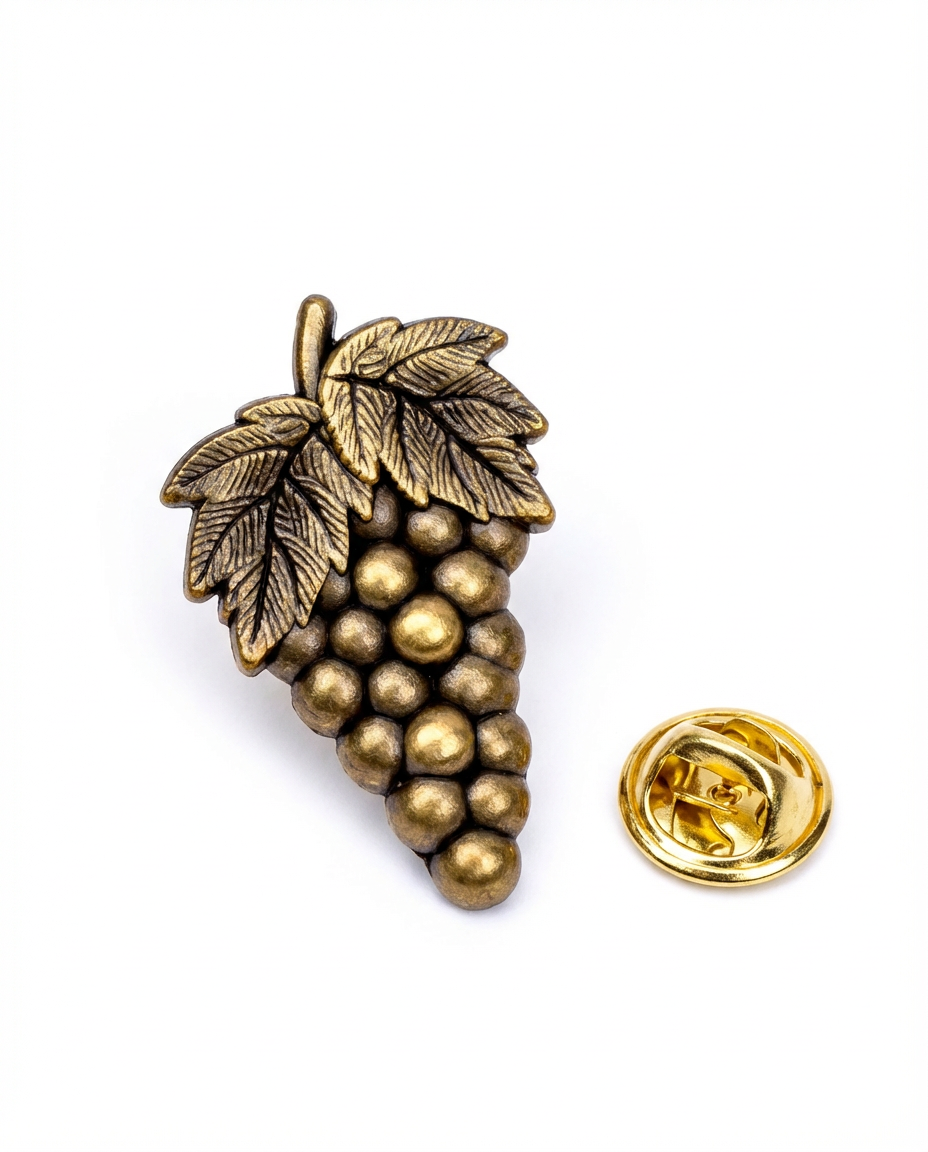
A pin is personal. Nobody assigns it, nobody requires it, and it identifies no employer. It signals an attachment to wine itself rather than to a job title.
That is why pins tend to be small and quiet while badges tend to be legible at a distance. A badge is meant to be read. A pin is meant to be noticed only by people who look closely.
The hardware is different too
Most name badges use a magnet or a bar clip, sized to hold a wide plastic or metal plate. Lapel pins use a post and a clutch. The SOMM DIGI pin uses a butterfly clutch, which holds firmly through a full service and does not mark the fabric the way a heavy magnetic badge can.
- Badge: wide face, magnet or clip, employer branding, issued
- Pin: small face, post and clutch, personal symbol, chosen
Wearing both
There is no conflict. Many sommeliers wear a house name badge on one side and a personal pin on the lapel. The badge does the institutional work. The pin does the personal work. Keep them apart on the garment so neither competes with the other, and let the badge take the more prominent position during service.